The Buzz on Honeybee Swarm Traps: A Cost-Effective Solution for Your Apiary

Updated: Mar 20, 2025
Honeybees are nature’s tiny miracles—pollinators extraordinaire and producers of golden honey. For beekeepers, expanding an apiary or replacing lost colonies is a constant goal. One of the most natural, cost-effective, and sustainable ways to achieve this is by using honeybee swarm traps. In this blog post, we’ll dive deep into what swarm traps are, why they’re a wallet-friendly option, the benefits of using them on your property near an apiary, and how to set them up for success. Whether you’re a seasoned beekeeper or just starting out, swarm traps could be the game-changer you’ve been looking for.
What Are Honeybee Swarm Traps?
A honeybee swarm trap is essentially a man-made structure designed to attract and capture a swarm of honeybees—a group of bees that has left its original hive with a queen to start a new colony. Swarming is a natural part of a honeybee colony’s reproductive cycle, typically occurring in spring or early summer when a hive becomes overcrowded. During this process, the old queen departs with a portion of the worker bees, leaving a new queen to take over the original hive.
Swarm traps mimic the natural cavities—like hollow trees—that scout bees seek out for their new home. These traps are typically wooden boxes or containers equipped with enticing features like pheromones, old comb, or specific dimensions that appeal to honeybee preferences. Once a swarm moves in, the beekeeper can relocate the trap (now a fledgling colony) to a prepared hive in their apiary.

Why Swarm Traps Are Cost-Effective
Beekeeping can get expensive fast. Buying packaged bees (a queen and a few thousand workers) or nucleus colonies (nucs) can set you back anywhere from 180 euros upwards per colony, depending on your location and supplier. Then there’s the cost of equipment, hive maintenance, and potential losses from disease or harsh winters. Swarm traps offer a budget-friendly alternative that leverages nature’s own processes. Here’s why they’re so cost-effective:
Low Initial Investment
A basic swarm trap can be made from inexpensive or recycled materials. A simple wooden box—think old wine crates, repurposed drawers, or even plywood—can work wonders. Add a few frames, some bait like lemongrass oil (a natural mimic of queen pheromones), and a lid, and you’re in business for less than 20-30 euros. Compare that to the price of a package of bees, and the savings are clear.
No Shipping or Handling Fees
When you buy bees, you’re often paying for shipping or the labor of someone else catching and packaging them. With swarm traps, the bees come to you—free of charge—courtesy of local wild or managed colonies in your area.
Sustainable Colony Growth
Capturing swarms allows you to grow your apiary organically without dipping into your savings. Over time, this can significantly reduce the need to purchase bees, especially if you lose colonies to pests, disease, or weather.
Local Genetics
Swarms you catch are typically from nearby hives, meaning they’re already adapted to your region’s climate and forage availability. This can lead to healthier, more resilient colonies compared to shipped bees, which might struggle to acclimate. Fewer losses mean less money spent on replacements.
Reducing Swarm Loss for Others
If your neighbors have apiaries, your traps might catch swarms that would otherwise abscond into the wild and be lost. While this isn’t a direct cost savings for you, it builds goodwill in the beekeeping community—a priceless currency.
In short, swarm traps turn a natural phenomenon into an opportunity, letting you expand your apiary with minimal financial outlay.
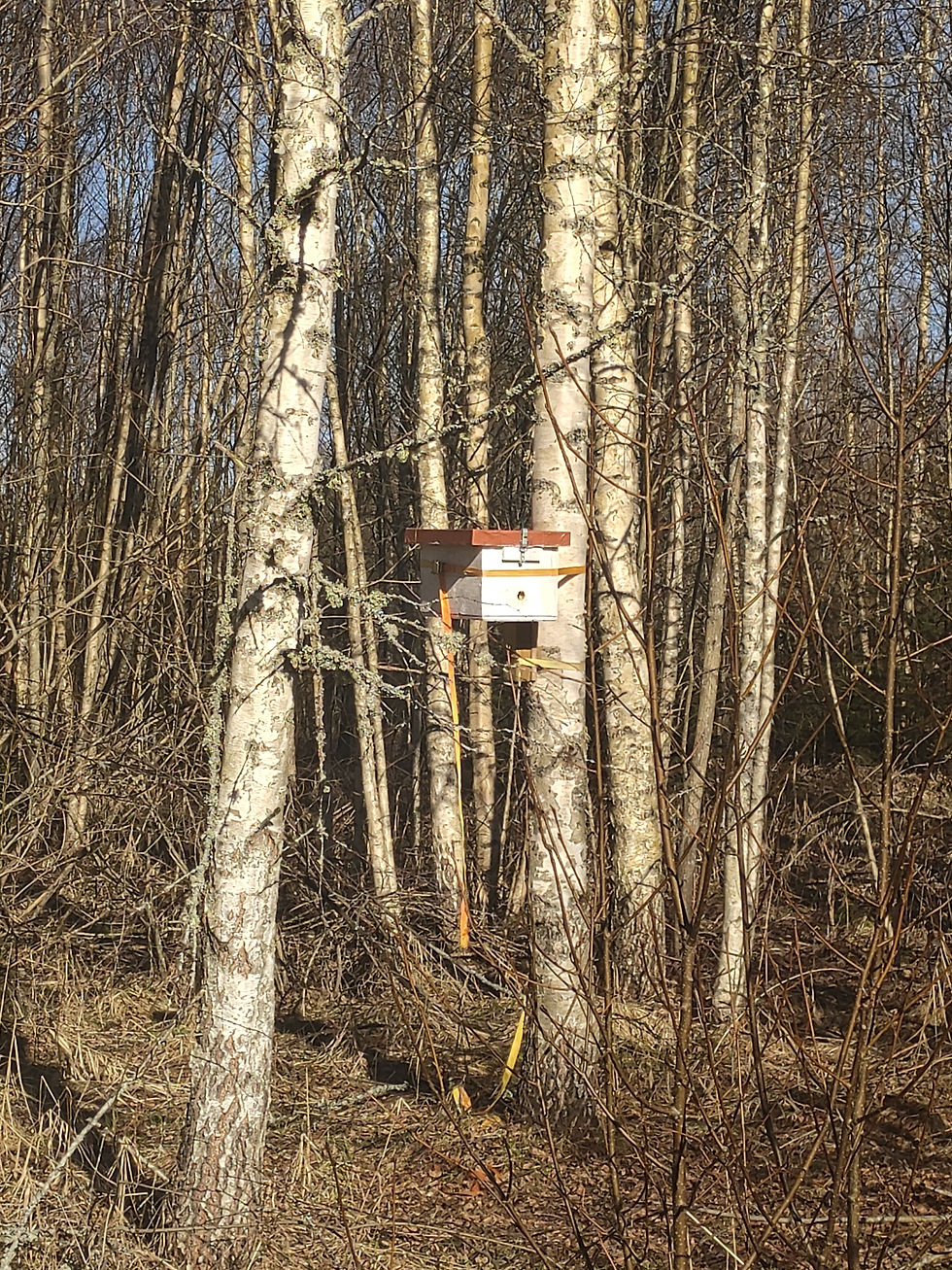
Why Use Swarm Traps on Your Property Near an Apiary?
If you already have an apiary, placing swarm traps on your property might seem redundant—after all, you’ve got bees, right? But there are compelling reasons to integrate swarm traps into your beekeeping strategy, especially when your hives are nearby. Here’s why:
Capture Your Own Swarms
When your hives swarm, you risk losing half your colony—bees and a queen you’ve worked hard to nurture. A well-placed swarm trap can intercept those bees before they disappear into the wild, keeping them in your apiary. It’s like recycling your own resources instead of letting them fly away.
Boost Pollination
More colonies mean more pollinators for your garden, orchard, or local ecosystem. If you’ve got fruit trees, vegetables, or flowers on your property, extra bees from swarm traps can enhance yields without additional effort.
Control Swarm Behavior
Swarming can disrupt your apiary’s honey production, as the departing bees take resources with them, and the remaining colony needs time to rebuild. By trapping swarms, you can manage population dynamics more proactively, maintaining productivity across your hives.
Attract Wild Bees
Beyond your own hives, your property might be near feral colonies in trees or buildings. Swarm traps can draw these wild bees into your apiary, adding genetic diversity and potentially hardy stock to your operation.
Educational Opportunity
If you’re passionate about beekeeping, swarm traps offer a front-row seat to one of nature’s most fascinating spectacles. Watching a swarm settle into your trap and then transitioning it to a hive is a hands-on lesson in bee behavior—perfect for sharing with family, friends, or local bee clubs.
Placing swarm traps near your apiary isn’t just about catching bees—it’s about maximizing the potential of your land and your beekeeping efforts.
How to Set Up Swarm Traps for Success
Now that you’re sold on the idea, let’s get practical. Setting up a swarm trap isn’t rocket science, but it does require some know-how to make it irresistible to scout bees. Here’s a step-by-step guide to designing, placing, and maintaining your traps:
Step 1: Build or Buy the Trap
Size Matters: Bees prefer cavities of about 40 liters (roughly the size of a deep brood box or 10-frame Langstroth hive). Too small, and they’ll pass it by; too large, and it might not feel cozy enough.
Materials: Use wood (plywood, pine, or cedar) for durability and natural appeal. Avoid plastic unless it’s well-ventilated and mimics wood’s texture. Add a solid lid and a small entrance—about 1-2 inches in diameter—near the bottom.
Frames or Comb: Include 1-3 frames with old brood comb (if you have it) or foundation. Used comb carries the scent of a lived-in hive, making it more attractive. If you don’t have comb, a few drops of lemongrass oil or a commercial swarm lure will do the trick.
Step 2: Pick the Perfect Spot
Height: Mount the trap 6-15 feet off the ground—bees like elevated spots that mimic tree hollows. Use a sturdy tree, pole, or even a shed roof.
Shade: Choose a location with partial shade to keep the trap cool in summer but warm enough in spring. Avoid deep shade or full sun.
Proximity: Place traps 50-100 yards from your apiary—close enough to catch your own swarms but far enough to attract wild ones. Scout bees often explore a wide radius, so don’t cluster traps too tightly.
Visibility: Position the entrance facing south or southeast for warmth and so scout bees can spot it easily. Clear away tall grass or branches that might block access.
Step 3: Bait the Trap
Scent: Apply lemongrass oil, beeswax, or a swarm lure near the entrance and on the frames. These mimic the pheromones scout bees associate with a good home.
Timing: Set traps out in early spring (March-April in most regions) before swarming season peaks. Leave them up through summer to catch late swarms.
Step 4: Check and Maintain
Frequency: Inspect traps every 7-10 days during swarming season. Look for bee activity—scouts buzzing around or bees entering with purpose.
Relocation: Once a swarm moves in (you’ll see a sudden influx of bees and hear buzzing), wait a few days for them to settle, then move the trap to your apiary at night when the bees are inside. Transfer them to a hive gently to avoid stressing the colony.
Clean-Up: After a successful catch, clean the trap, replace bait, and reset it for another swarm.
Pro Tips
Multiple Traps: Deploy 3-5 traps around your property to increase your odds. Scout bees are picky, and more options mean more chances.
Camouflage: Paint or weather the trap to blend into its surroundings—bees avoid overly bright or artificial-looking homes.
Patience: Swarming is unpredictable. Some years you’ll catch multiple swarms; others, none. Consistency pays off.
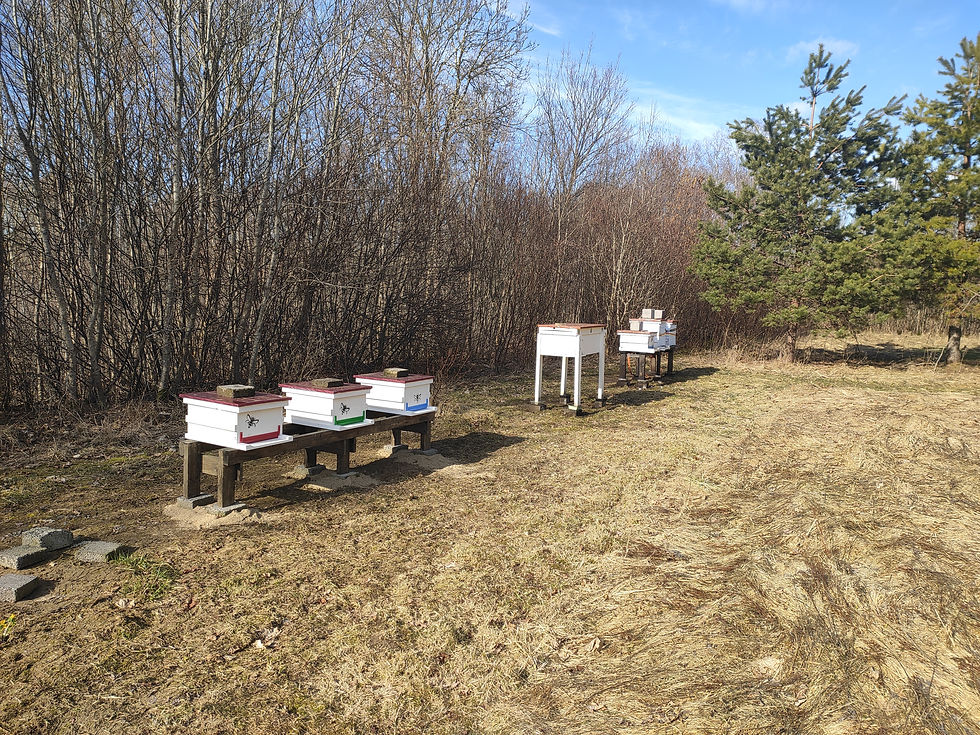
The Sweet Rewards of Swarm Trapping
Swarm traps are more than just a tool—they’re a philosophy of working with nature rather than against it. For a small upfront cost, they offer the potential to grow your apiary, save money, and deepen your connection to the incredible world of honeybees. On a property with an apiary, they’re a no-brainer: they keep your bees close, enhance pollination, and turn a potential loss into a gain.
Picture this: It’s a warm spring afternoon, and you spot a cloud of bees swirling into one of your traps. A few days later, you’re transferring a vibrant new colony into your apiary, all without spending a dime on packaged bees. That’s the magic of swarm trapping—cost-effective, sustainable, and downright satisfying.
So, grab some wood, a few frames, and a bottle of lemongrass oil, and get started. Your apiary—and your wallet—will thank you.


Comments