The Vital Role of Honeybee Survival in Our World

Updated: Mar 20, 2025
Honeybees might seem like small, buzzing insects that occasionally interrupt a picnic, but their survival is critical to ecosystems, agriculture, and human life as we know it. These tiny pollinators are unsung heroes, tirelessly working to sustain biodiversity and food production. As their populations face increasing threats, understanding their importance and advocating for their survival has never been more urgent.
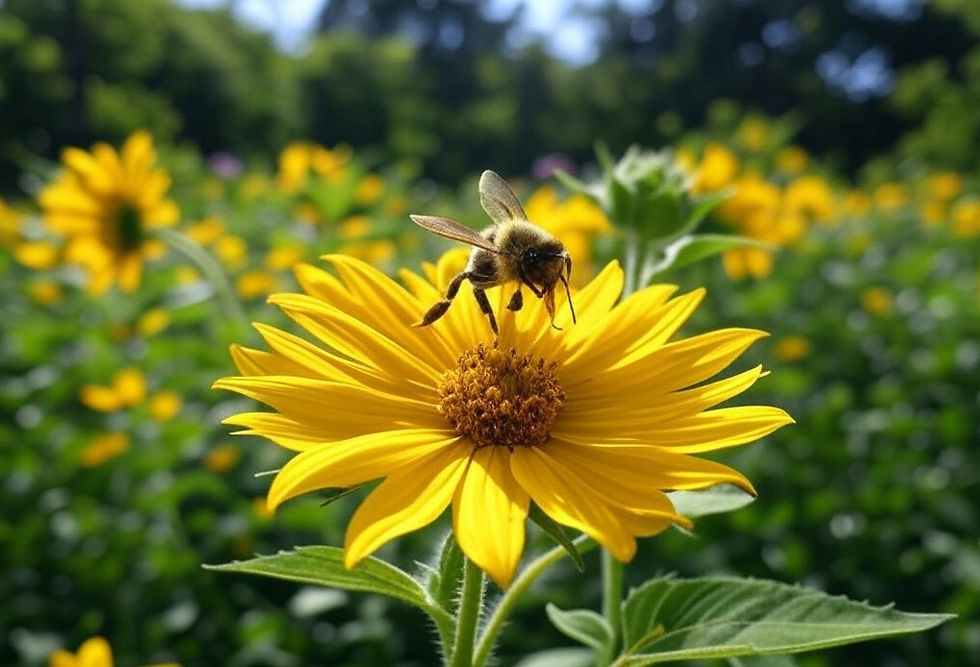
At the heart of honeybee significance is their role in pollination. Honeybees are responsible for pollinating approximately 70% of the world’s crops, including fruits, vegetables, and nuts. Without them, staples like apples, almonds, and blueberries would become scarce, driving up food prices and threatening global food security. The economic value of their pollination services is estimated to be in the hundreds of billions of dollars annually. Beyond agriculture, honeybees support wild ecosystems by pollinating plants that provide habitat and food for countless other species. Their work ripples through nature, making them a keystone species whose loss would trigger a cascade of ecological consequences.
Yet, honeybee survival is under siege. Colony Collapse Disorder (CCD), a phenomenon where worker bees mysteriously abandon their hives, has decimated populations worldwide. Pesticides, particularly neonicotinoids, disrupt bees’ nervous systems, impairing their ability to navigate and forage. Habitat loss from urbanization and industrial farming reduces the availability of diverse wildflowers, leaving bees malnourished. Climate change exacerbates these issues, altering blooming seasons and exposing bees to extreme weather. Parasites like the Varroa mite further weaken colonies by spreading viruses. Together, these threats have caused alarming declines, with beekeepers in some regions reporting losses of 30-50% of their hives annually.
The consequences of failing to protect honeybees extend beyond ecology and economics—they’re cultural too. Honey, beeswax, and other hive products have been cherished for millennia, used in medicine, food, and rituals. Losing honeybees would mean losing a thread of human heritage, not to mention the livelihoods of beekeepers worldwide. More practically, a decline in pollination could force reliance on costly, less efficient alternatives like hand-pollination or synthetic substitutes, neither of which can match the scale and elegance of nature’s system.
So, what can we do to ensure honeybee survival? On a systemic level, governments and industries must regulate harmful pesticides and incentivize sustainable farming practices. Planting pollinator-friendly gardens with native flowers can provide bees with safe havens. Supporting local beekeepers by buying their honey keeps the craft alive and funds hive maintenance. Even small actions—like avoiding chemical lawn treatments or advocating for green spaces—make a difference. Scientists are also exploring solutions, from breeding disease-resistant bees to developing mite treatments, but these efforts need public support to succeed.
Honeybees remind us of our interconnectedness with nature. Their survival isn’t just about saving a species; it’s about preserving the delicate balance that sustains life on Earth. By protecting them, we protect ourselves—our food, our ecosystems, and our future. The humble honeybee may be small, but its importance is monumental. Let’s act now, before the buzz fades to silence.


Comments