What do beekeepers do during the winter months?

Updated: Mar 20, 2025
During winter, beekeepers engage in several essential activities to ensure the health and survival of their bee colonies. As temperatures drop, bees enter a state of reduced activity, clustering together to maintain warmth. Beekeepers monitor their hives to ensure that the bees have sufficient food stores, as they rely on honey reserves to sustain themselves through the cold months.
One key task is to check the weight of the hives. A heavy hive typically indicates adequate honey supplies, while a lighter hive may require supplemental feeding. Beekeepers may provide sugar syrup or fondant if necessary. Additionally, they inspect the hives for any signs of pests or diseases, such as Varroa mites or Nosema, which can threaten colony survival during winter.
Beekeepers also prepare their equipment for the upcoming spring season. This includes cleaning and repairing tools, inspecting frames, and ensuring that all beekeeping supplies are ready for when the bees become active again. Some beekeepers may also take this time to educate themselves about new practices or research in beekeeping, ensuring they are well-prepared for the busy months ahead.
The past few weeks I've been preparing some shallow honey supers to use this season on the new hives that I have made.
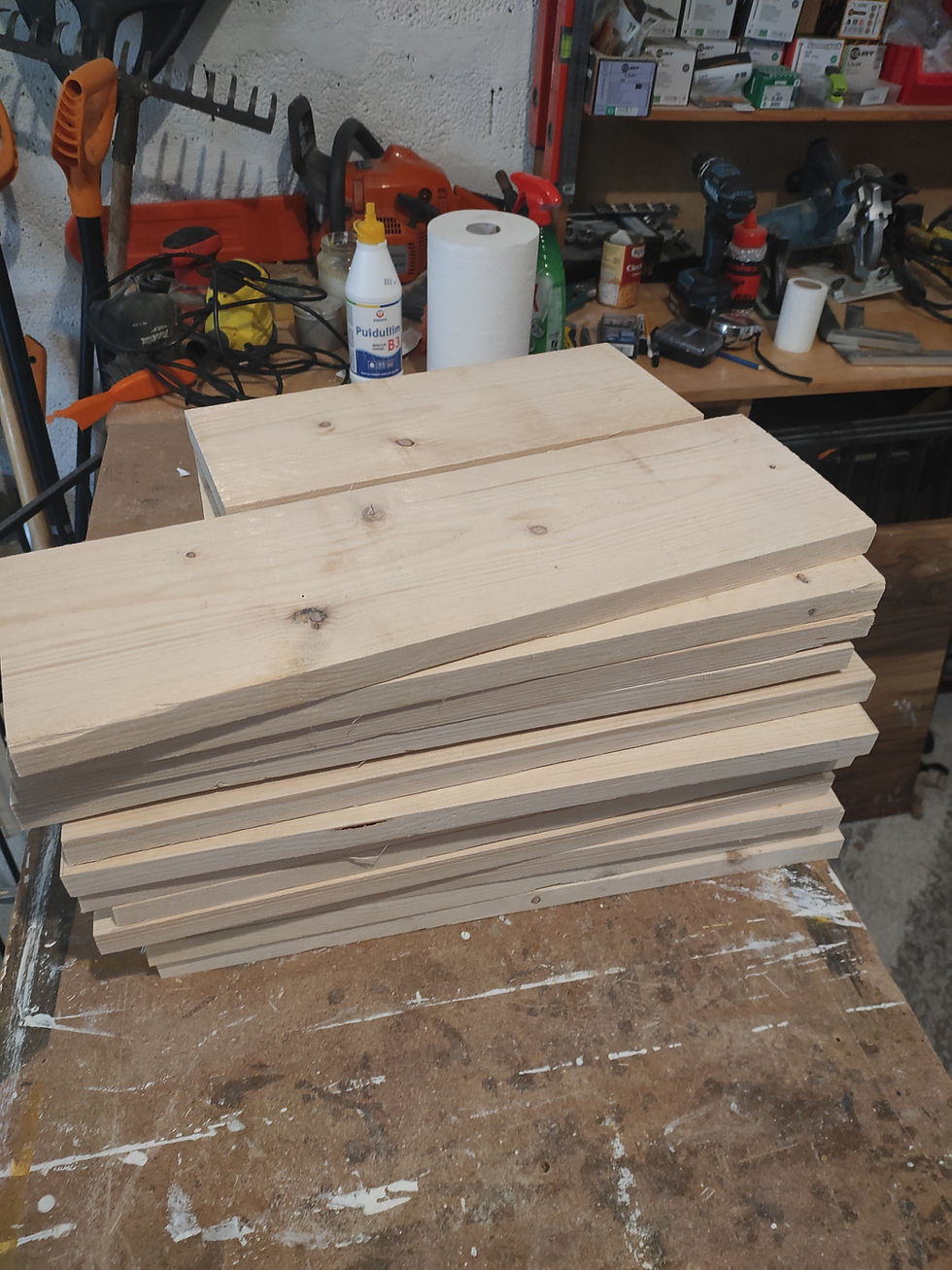
First I cut some boards to the correct lengths. I use Langstroth beehives so my measurements for the wood are:
(Cut from 22mm thick wood)
51cm x 15cm for the long sides
35.5cm x 15cm for the ends
Sand down the outer side of the wood only.
Sanding down the inside of a beehive can disrupt the natural environment essential for bee health. The rough surfaces promote propolis, a natural antiseptic, which helps prevent disease. Smoother surfaces may lead to increased moisture and reduced insulation, negatively impacting hive temperature and overall bee well-being, ultimately threatening colony survival.

When creating rabbets, both router and mitre saw offer distinct advantages. A router provides precision and versatility, allowing for varying depths and widths. Conversely, a mitre saw excels in making quick, accurate cuts at specific angles. Choosing between them depends on the project's complexity, desired finish, and available tools.
I find the mitre saw leaves less mess behind as I can attach a vacuum to catch most of the saw dust that gets thrown out.
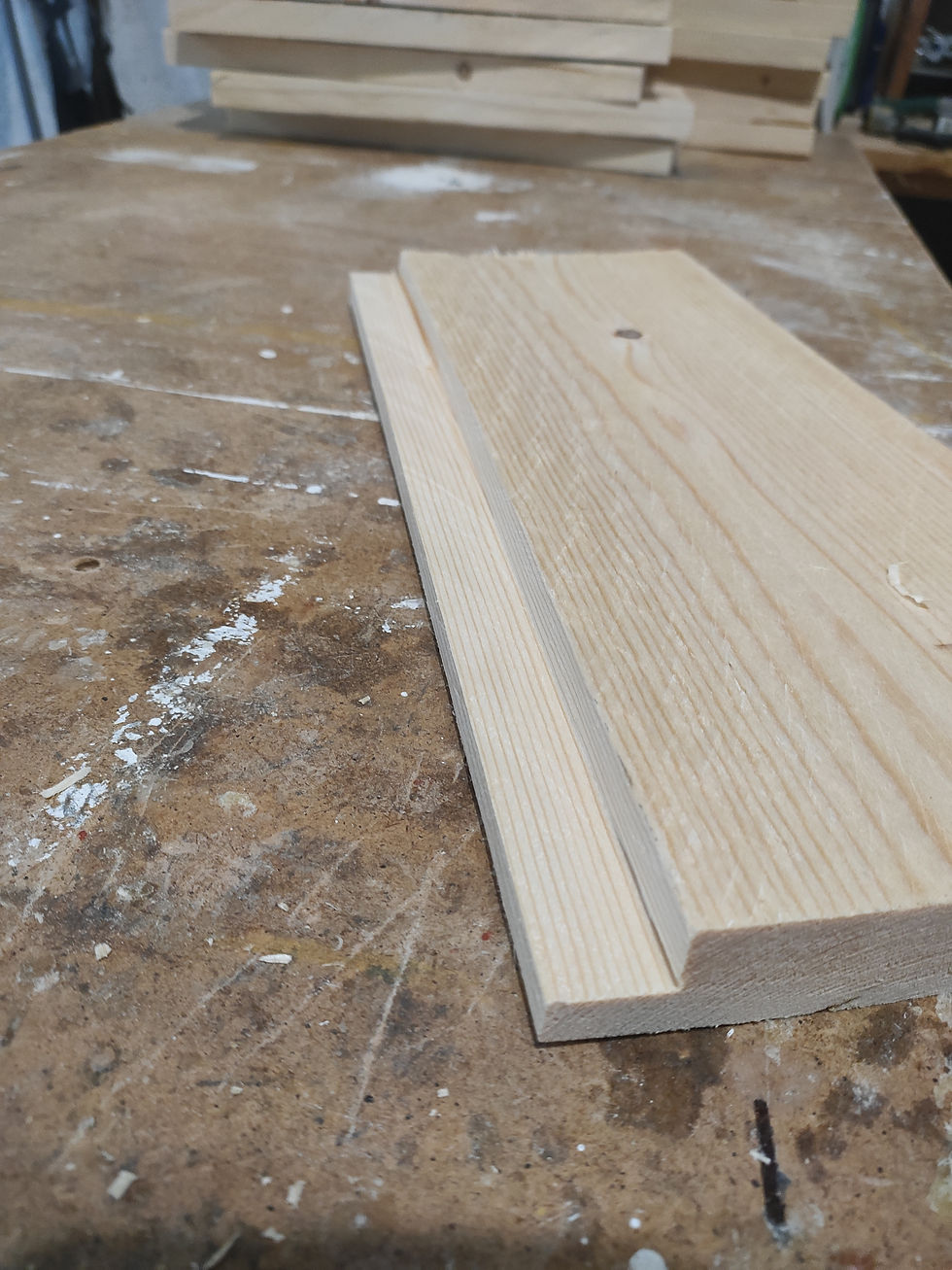
The depth of my rabbets are 2cm deep & 1cm wide, which allows for bee space.
Having a small gap (bee space) at the top of the frames in beekeeping is crucial for bee health and hive ventilation. It allows for proper air circulation, reducing humidity and preventing mold growth. This gap also facilitates the movement of bees, ensuring they can access food and resources efficiently, promoting overall hive productivity.

Next is the Pre-drilling of holes.
Pre-drilling holes is crucial for ensuring precise alignment and reducing material damage. It minimizes the risk of splitting, especially in hardwoods, and allows for easier screw insertion. Additionally, pre-drilling enhances the overall structural integrity of the assembly, leading to stronger joints and a more professional finish in woodworking projects.
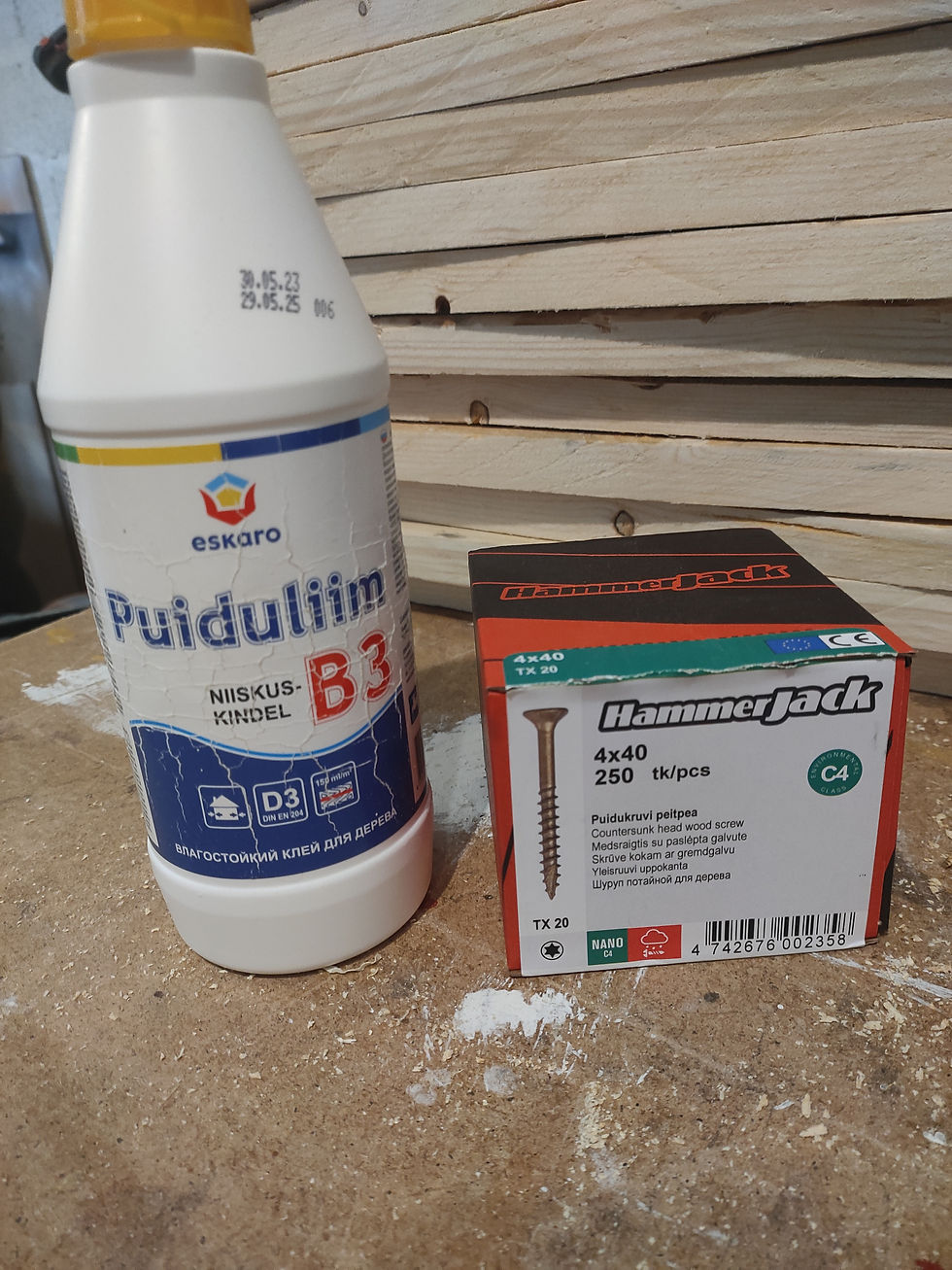
Then it's onto the gluing and screwing!
Using glue and screws in woodworking is essential for creating strong, durable joints. Glue provides a large surface area for bonding, enhancing structural integrity, while screws offer mechanical strength and resistance to shear forces. Together, they ensure stability, longevity, and reliability in furniture and construction projects, preventing failures over time.

Painting the outside of a beehive is important for several reasons. First, it helps protect the wood from weather elements, preventing rot and extending the hive's lifespan. Second, using light-colored paints reflects sunlight, keeping the hive cooler in hot weather, which is crucial for maintaining optimal bee health. Additionally, vibrant colors can help beekeepers easily identify and locate their hives in a yard or apiary. Lastly, a well-painted hive can deter pests by creating a barrier against moisture and insects, ultimately supporting a healthier environment for the bees. Overall, painting enhances both functionality and aesthetics of beehives.

Using shallow frames in honey supers offers several advantages for beekeepers. First, they are lighter, making it easier to handle and inspect hives without straining. This is particularly beneficial during honey harvests, allowing for quicker and more efficient collection. Second, shallow frames promote better airflow and ventilation within the hive, reducing the risk of overheating and moisture buildup. Additionally, they encourage bees to focus on honey production rather than brood rearing, maximizing honey yield. Finally, shallow frames allow for easier management of honey stores, enabling beekeepers to monitor and control honey quality more effectively.


Comments