Why Does Honey Crystallize? Understanding This Natural Phenomenon

Honey, the golden gift from Estonia’s meadows and forests, is a cherished natural sweetener. If you’ve ever opened a jar to find it transformed from a smooth, pourable liquid into a grainy, semi-solid mass, you might wonder: why does honey crystallize? This natural process is not a sign of spoilage but a fascinating trait of honey’s unique makeup. Let’s dive into why honey crystallizes, what influences it, and how to manage it, with a focus on Estonia’s native flora.
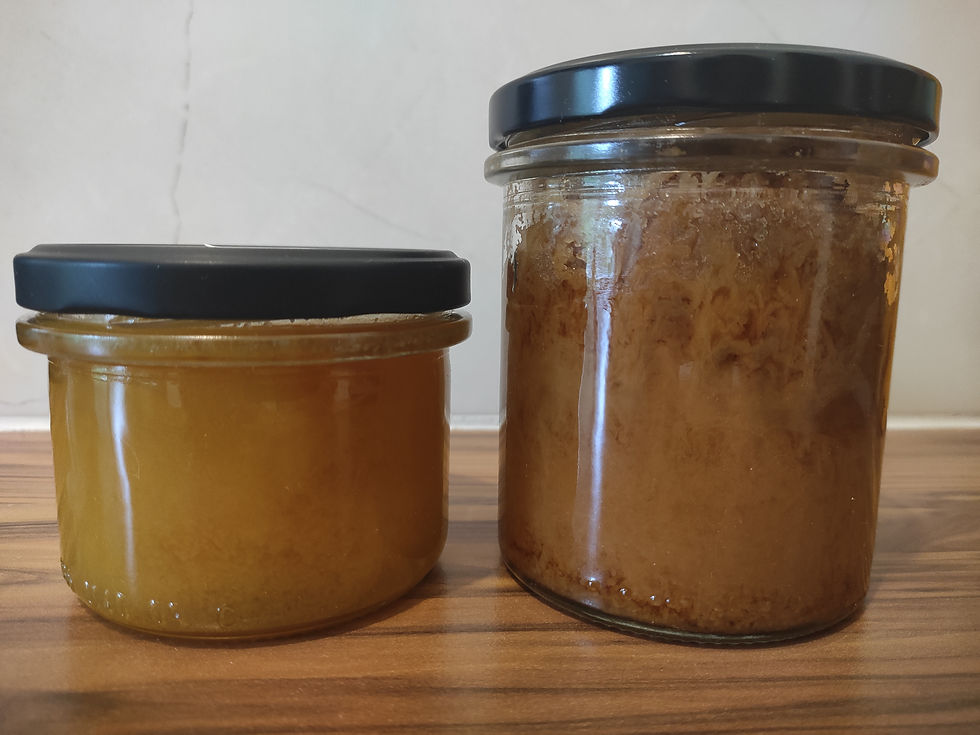
What Causes Honey Crystallization?
Crystallization, or granulation, happens when the natural sugars in honey—primarily glucose and fructose—form solid crystals over time. Honey is a supersaturated solution, meaning it holds more dissolved sugars than water can typically contain. This unstable balance makes honey prone to crystallization, as glucose molecules naturally separate from the water and bond into crystals. The key driver is the glucose-to-fructose ratio, which varies depending on the plants the bees visit. In Estonia, honeys from plants like heather or dandelion, which are higher in glucose, crystallize faster because glucose is less soluble than fructose. Conversely, honey from plants like willow or linden, which can have a higher fructose content, tends to stay liquid longer.

Factors Influencing Crystallization
Several factors affect how quickly honey crystallizes:
1. Honey Type: The floral source determines the glucose-to-fructose ratio. In Estonia, honey from rapeseed or clover—common in local fields—crystallizes quickly due to high glucose levels. Meanwhile, honey from linden trees, abundant in Estonian forests, may remain liquid longer due to higher fructose.
2. Storage Temperature: Temperature is critical. Honey stored at cooler temperatures (around 10-15°C or 50-59°F), common in Estonia’s cool climate, crystallizes faster. However, very cold (below 5°C) or warm (above 25°C) conditions can slow the process.
3. Water Content: Honey with lower water content (below 18%) is more likely to crystallize, as there’s less water to keep sugars dissolved. Estonian beekeepers often produce high-quality honey with low water content, increasing the chance of crystallization.
4. Impurities: Particles like pollen, wax, or even dust can act as “seeds” for crystals. Raw, unfiltered honey from Estonia’s wildflower meadows, rich in pollen from plants like fireweed or meadowsweet, crystallizes faster than heavily processed honey.
Is Crystallized Honey Still Good?
Yes! Crystallization is natural and doesn’t mean your honey has spoiled. It’s a sign of purity, especially in raw Estonian honey. Crystallized honey retains its flavor, nutritional benefits, and antimicrobial properties. Many enjoy its spreadable texture, perfect for spreading on bread or using in local recipes like honey-glazed rye bread.
Managing Crystallized Honey
To return crystallized honey to liquid form, place the jar in warm water (below 40°C or 104°F) and stir gently. Avoid high heat, as it can degrade the delicate flavors of Estonian wildflower or linden honey. Microwaving is not advised, as it can harm the honey’s quality. To slow crystallization, store honey at room temperature in a sealed container, away from sunlight. If you enjoy the creamy texture, embrace it—crystallized honey is a favorite for many Estonians!
Why It Matters
Crystallization highlights the diversity of Estonia’s flora, from rapeseed fields to linden forests. It reflects the unique environment and care in local beekeeping. Understanding this process lets you appreciate honey’s natural beauty and make informed choices about storage and use. Whether liquid or crystallized, Estonian honey is a delicious treasure from the bees.


Comments